Brake service and brake repair can be closer together than most drivers think. One visit is a planned check of normal wear. The next can involve rotors, calipers, fluid issues, or parts that wore too far because the early signs were missed.
That does not mean every brake visit is bad news. It means the timing makes a real difference. Routine brake service is meant to catch wear while the system is still predictable. Brake repair starts when something is already worn out, damaged, leaking, overheating, or no longer working the way it should.
Brake Service Starts With Normal Wear
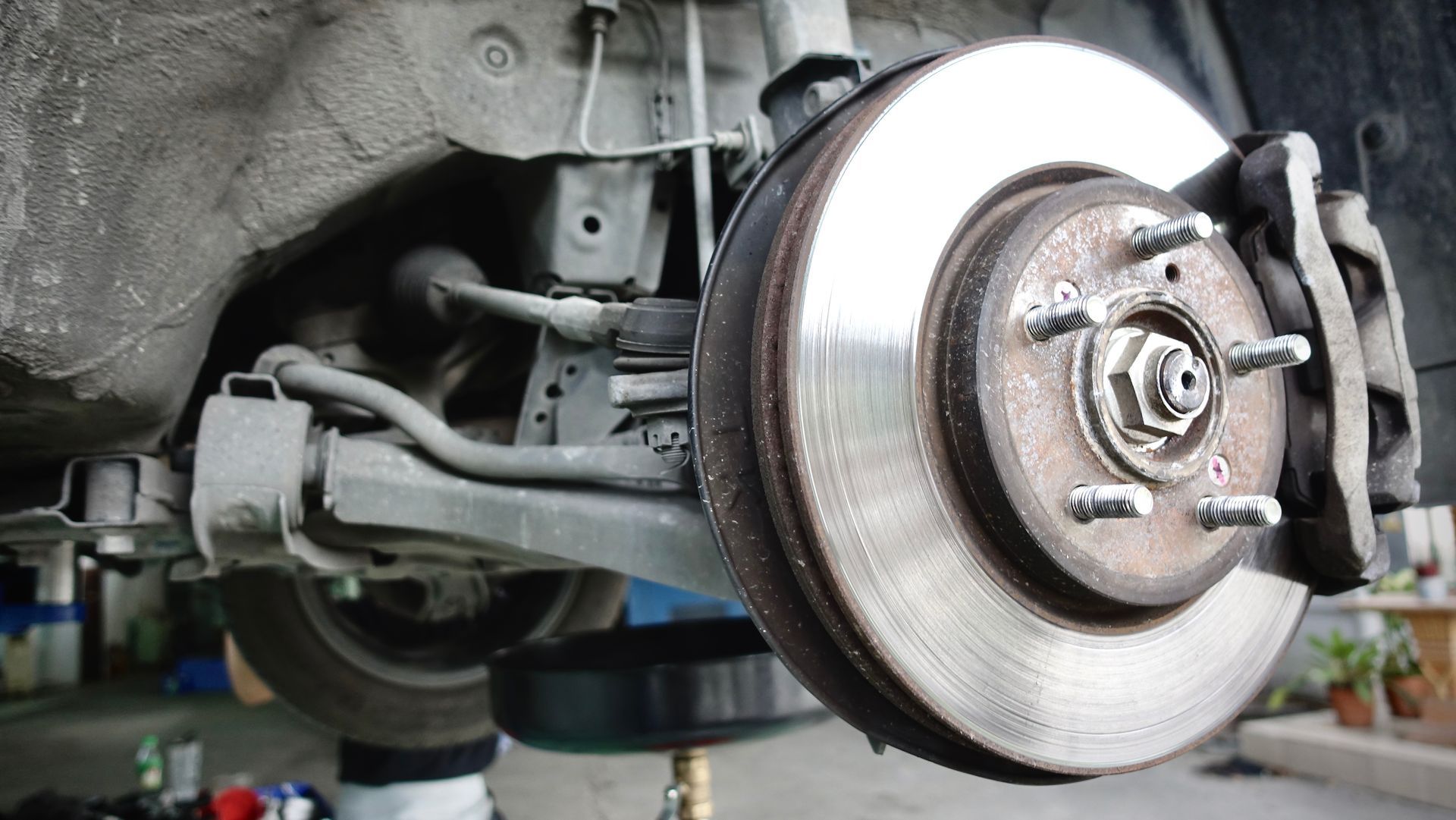
Brakes are designed to wear. Every stop uses friction, which slowly wears down the pads and affects the rotor surface. Routine brake service checks that wear before it causes noise, vibration, or poor pedal feel.
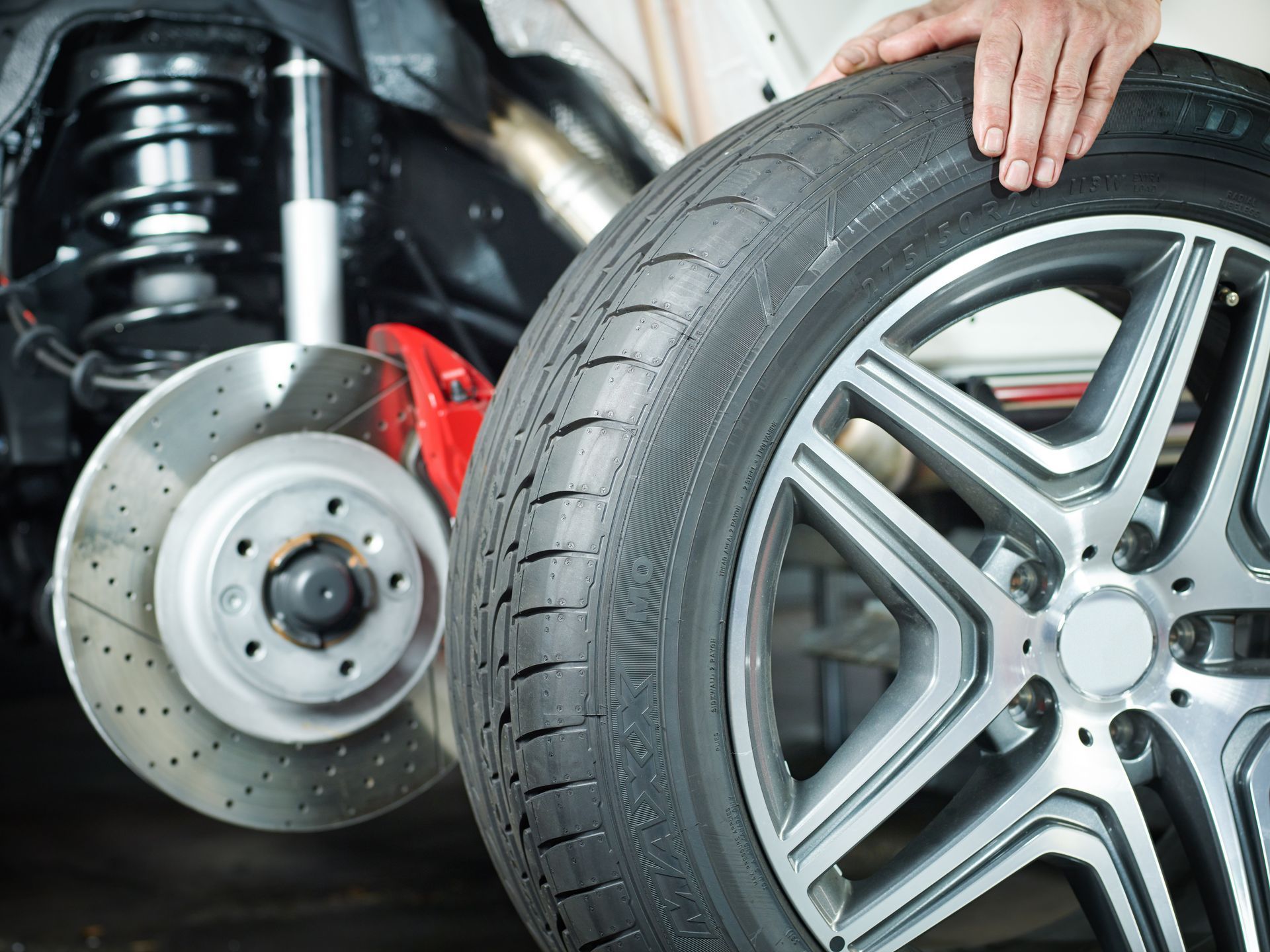
During regular maintenance, our technicians check pad thickness, rotor condition, brake hardware, fluid level, hoses, and signs of uneven wear. The goal is simple: find out whether the brakes are wearing normally or whether one part is already causing trouble for the rest of the system.
Worn Pads Can Damage Rotors
Brake pads are supposed to be replaced before they wear too thin. Once the pad material gets low, there is less cushion between the caliper and rotor. Heat builds faster, braking feels rougher, and the rotor surface can start wearing unevenly.
If the pads wear down to the point where the metal contacts metal, it can cause a short. That grinding sound is not just annoying. It usually means the rotors are being damaged every time the pedal is pressed. A brake pad service that would have been simple can turn into brake repair involving pads, rotors, and possibly more.
Uneven Wear Points To A Deeper Problem
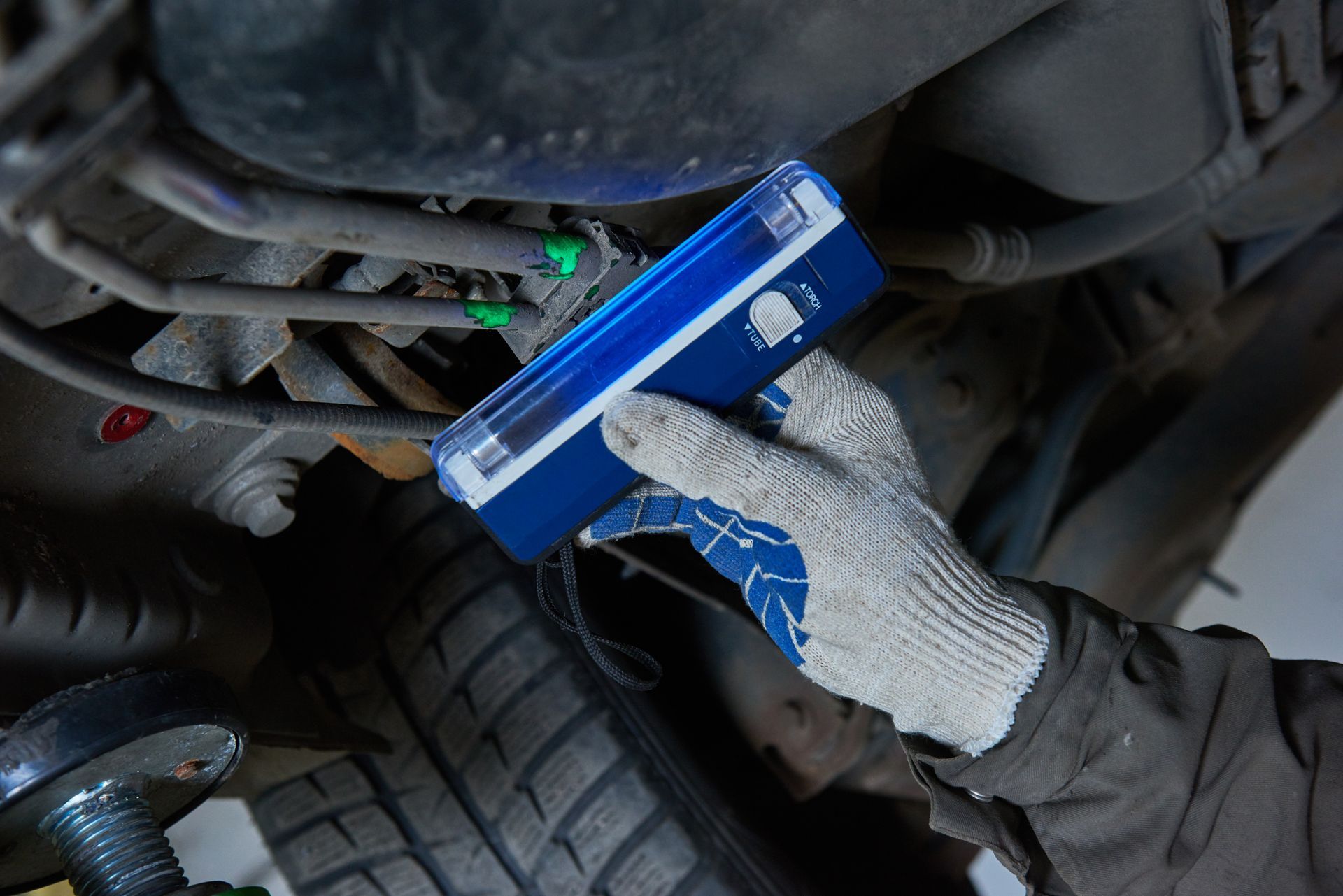
Sometimes the pads wear unevenly from one side to the other. One pad might be much thinner than the others, or one wheel might show more brake dust and heat. That kind of pattern can point to a sticking caliper, seized slide pins, worn hardware, or a brake hose that is not allowing pressure to release properly.
That is where a routine brake check becomes more important than just measuring pad life. We look for the reason the wear pattern changed. Replacing pads without fixing the cause can bring the same problem back and shorten the life of the new parts.
Old Brake Fluid Can Change Pedal Feel
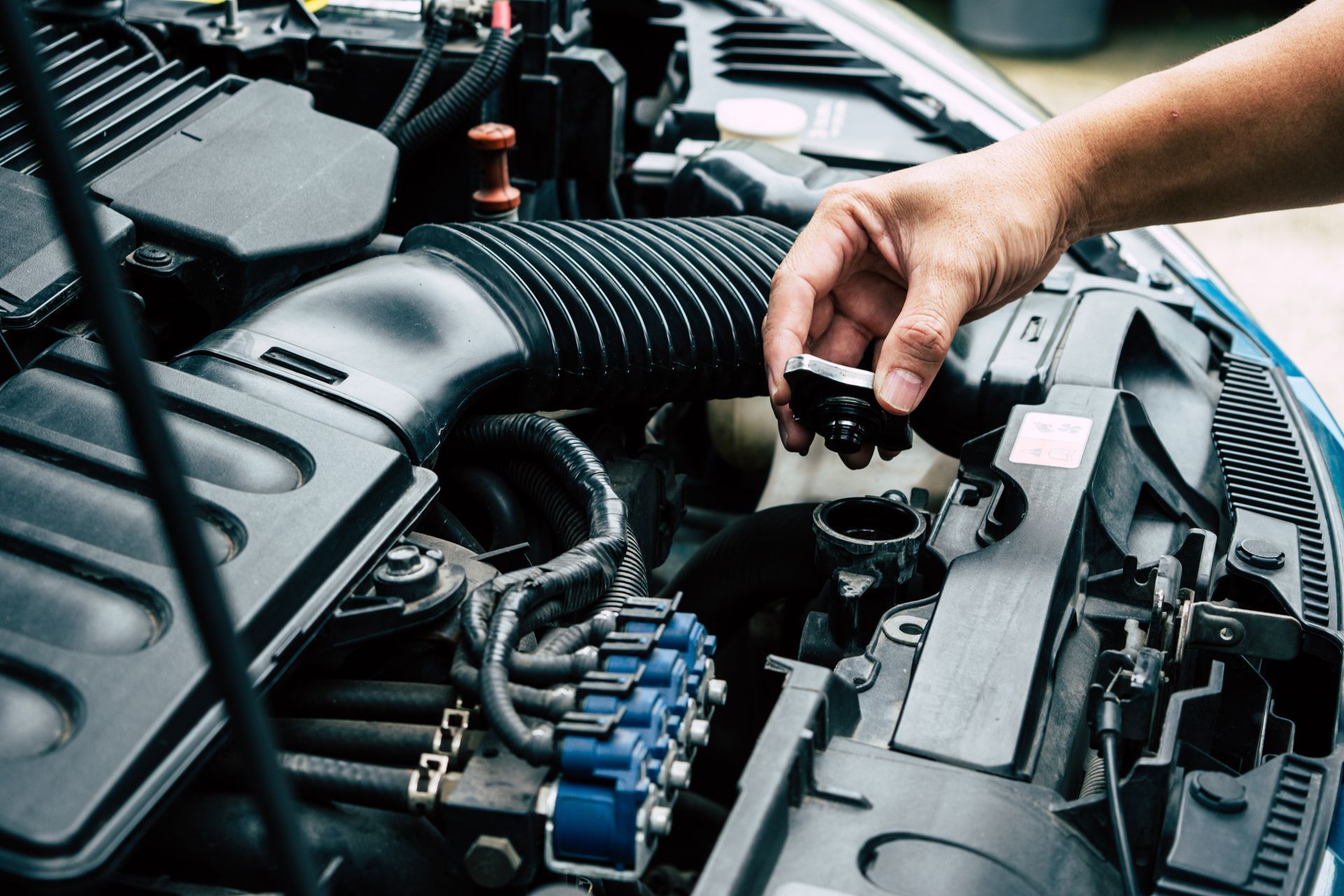
Brake fluid works in the background, but it is a major part of the system. It transfers pedal pressure to the brakes at the wheels. Over time, brake fluid absorbs moisture, which can lower its boiling point and contribute to corrosion inside the system.
A soft pedal, longer pedal travel, or a dark-looking fluid can point to a fluid issue. If the fluid is ignored for too long, internal parts can suffer. What could have been a fluid service can turn into hydraulic brake repair if corrosion, leaks, or pressure problems develop.
Heat Makes Small Brake Problems Grow
Heat is a big reason brake wear turns into brake repair. A dragging caliper, worn pads, hard stops, heavy traffic, or old hardware can all create extra heat. Once the system gets too hot, rotors can develop uneven surfaces, pads can glaze, and rubber parts can weaken.
Drivers might notice a burning smell, a hot wheel, or vibration while stopping. Those are signs that the brake system is under stress. A car can still stop with overheated brakes, but that does not mean the parts are still in good shape.
Warning Signs Mean Service Is Already Late
Brake noise, shaking, pulling, a soft pedal, grinding, or a warning light all suggest the system needs attention. At that point, the vehicle is likely past routine service and moving into repair. The sooner those signs are checked, the better the chance of keeping the repair from spreading.
Small changes are worth mentioning when you bring the vehicle in. A little squeak in the morning, a pedal that feels slightly lower, or a steering wheel shake during highway braking can all help one of our technicians narrow down the cause faster. Those details can save time and prevent the wrong part from taking the blame.
Why Waiting Usually Costs More
Delaying brake service rarely saves money—worn pads damage rotors. Dragging brakes overheat parts. Old fluid can affect hydraulic components. Loose hardware can create noise and uneven contact. Each delay gives the brake system more time to wear in the wrong direction.
A proper inspection separates routine wear from real brake repair. If the pads are wearing evenly and the fluid is healthy, the service may stay simple. If a caliper is sticking, a hose is failing, or the rotors are already damaged, the repair needs to address the full cause, not just the symptom.
Get Brake Service And Brake Repair In West Palm Beach, FL, With Military Brake & Alignment Services Inc.
If your brakes are making noise, vibrating, pulling, or simply due for a routine check,
Military Brake & Alignment Services Inc. in West Palm Beach, FL, can help determine whether your vehicle needs brake service or a more involved repair.
Bring it in before normal brake wear turns into a bigger job.