Oversized wheels can change the look of a vehicle overnight. What most drivers do not see right away is how that change affects the other parts of the vehicle. Bigger wheels come with wider tires, different offsets, and more weight, and all of that adds stress to components that were designed around the factory setup.
Some vehicles tolerate the change well. Others start showing extra wear, noise, or vibration sooner than expected.
The honest answer is yes, oversized wheels can be harder on suspension and brakes, but it depends on how far the setup moves from stock and how the vehicle is driven.
What Changes When You Upsize Wheels
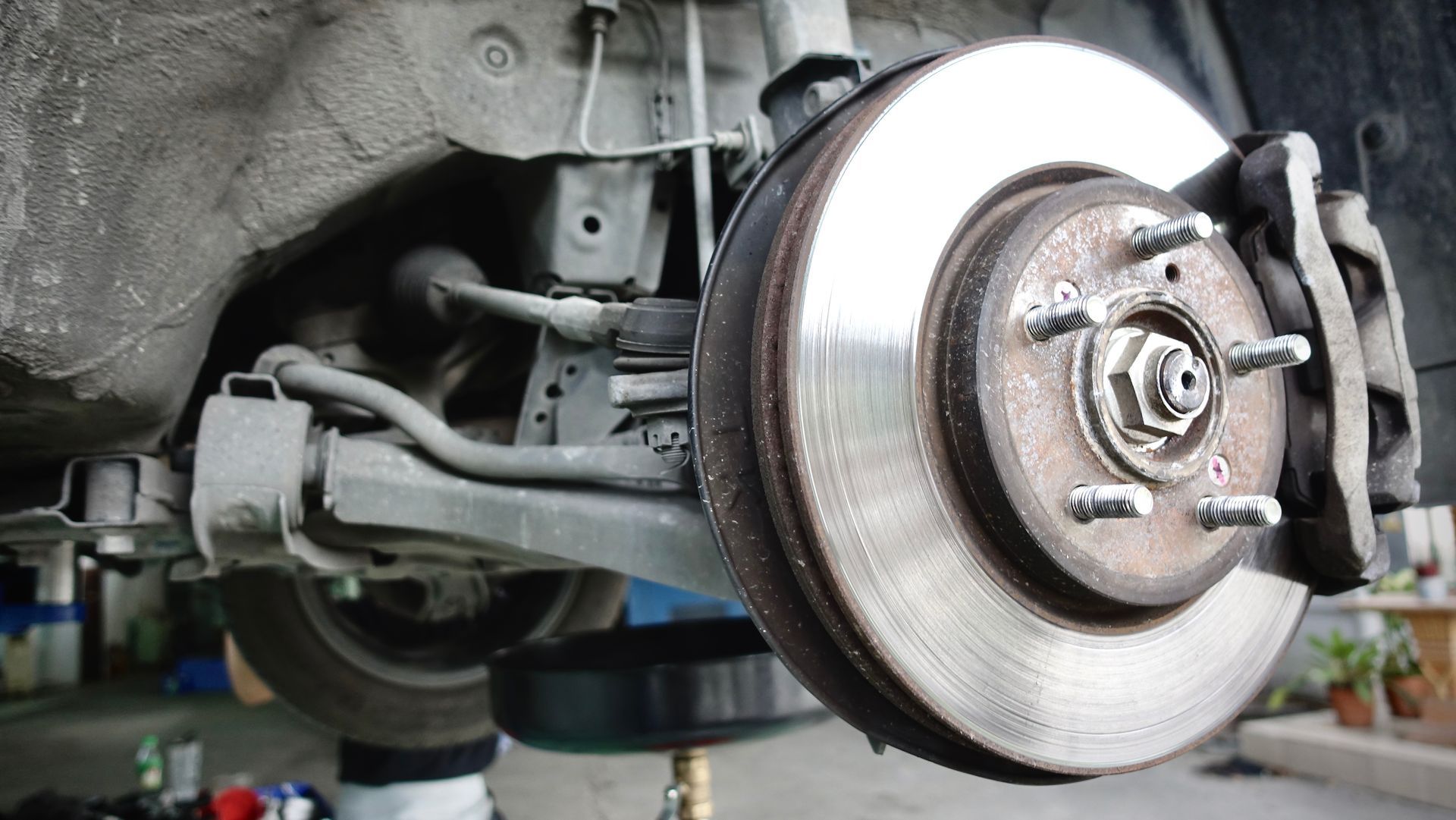
The biggest changes are weight, leverage, and sidewall height. A larger wheel and tire package often weighs more and places that weight farther from the center of rotation. That affects how the suspension reacts to bumps and how the brakes slow the wheel down.
Offset and width matter too. If the wheel sits farther outward than stock, it changes the leverage on bearings, ball joints, and tie rods. The steering system has to work harder, and suspension parts can feel those loads every time you hit a bump or turn sharply.
If you keep the overall tire diameter close to stock and avoid extreme offsets, the stress increase can be mild. If you go wide, heavy, and pushed outward, parts tend to wear faster.
How Oversized Wheels Affect Suspension Components
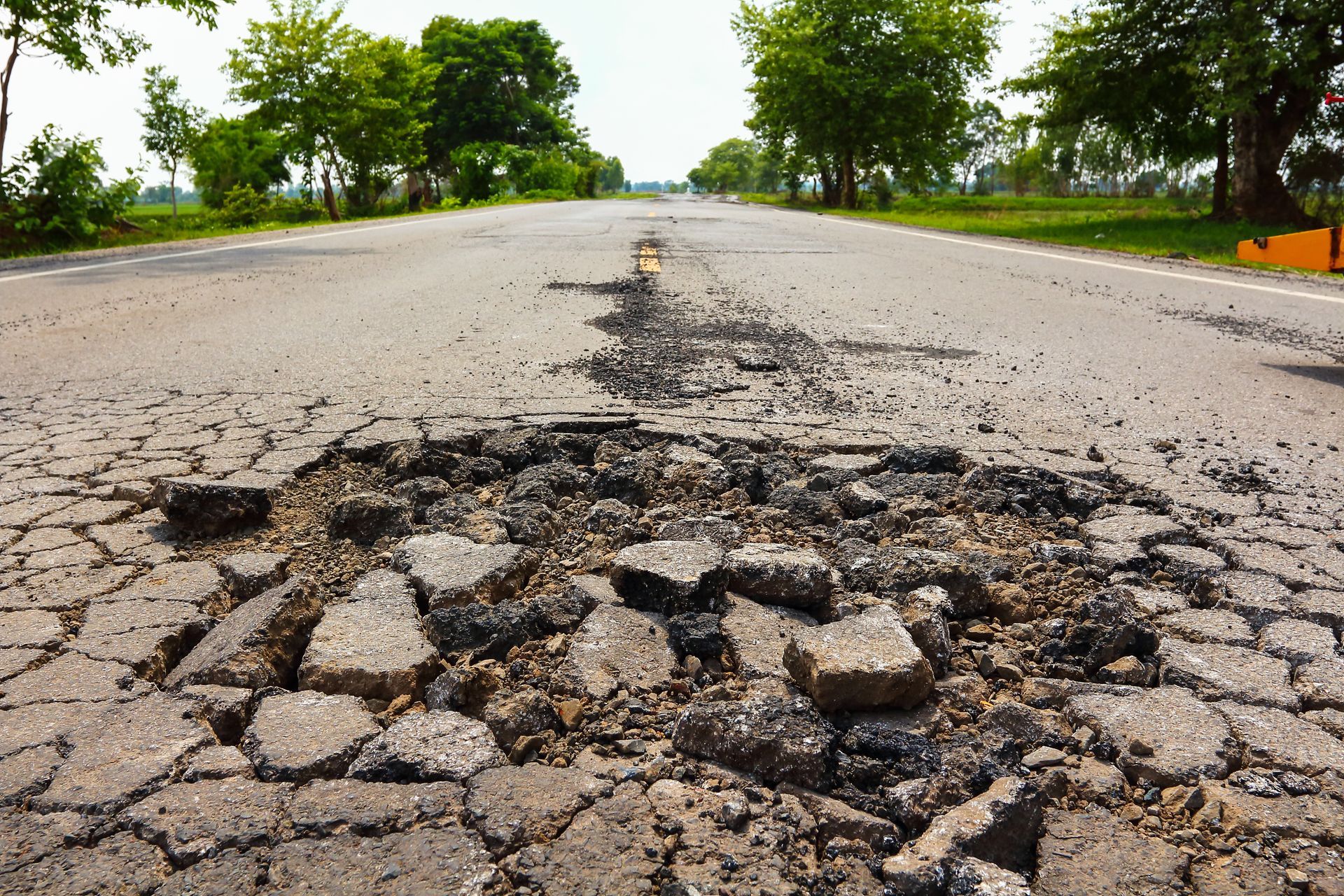
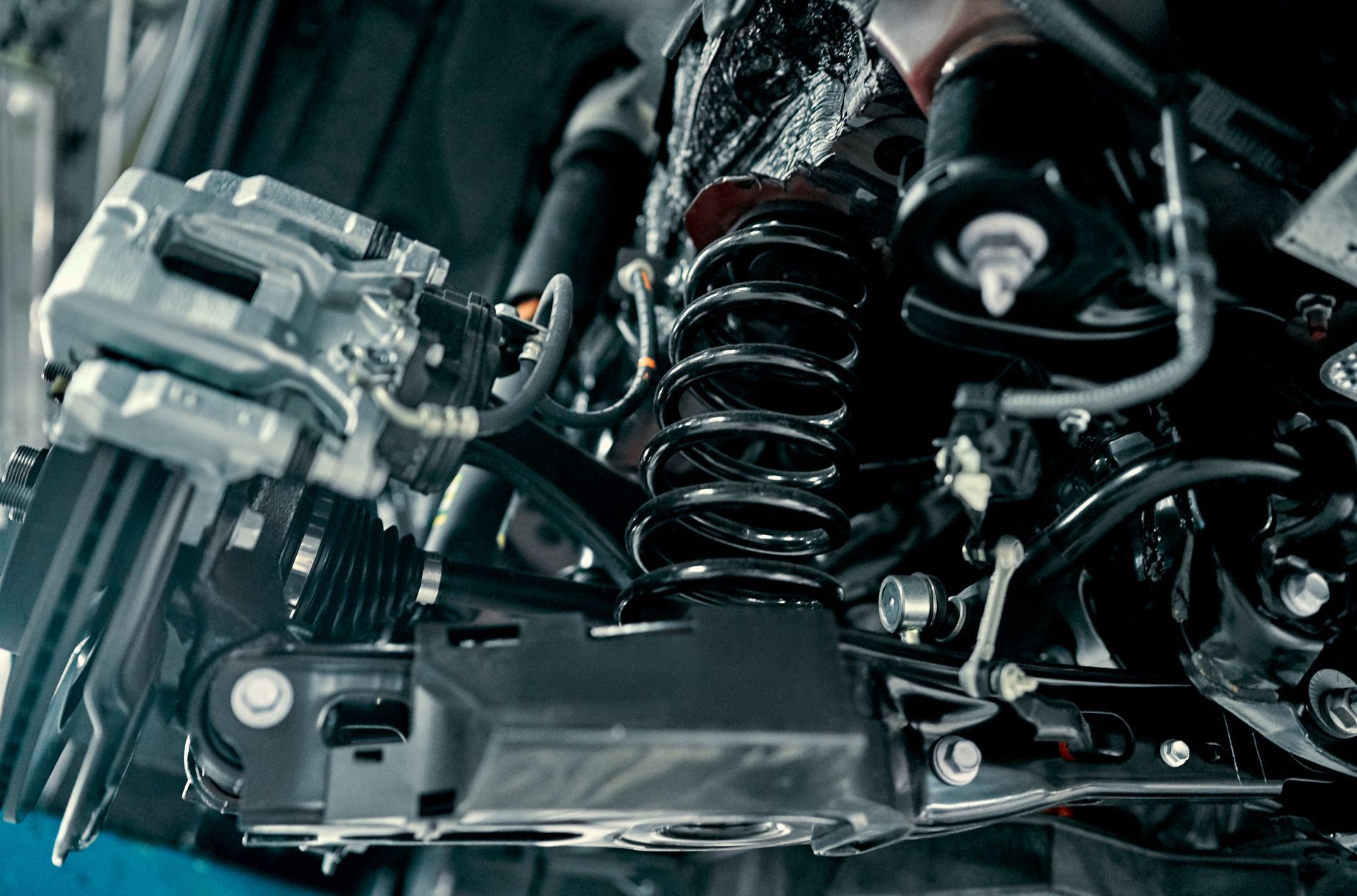
Suspension parts are built to control the wheel and keep it aligned with the road. Added weight makes that job harder. Instead of the tire following bumps smoothly, the suspension can feel like it is getting hit more sharply, especially on broken pavement.
Here are the suspension parts most likely to feel the difference:
- Ball joints and control arm bushings, due to higher leverage loads
- Tie rods, especially if wider tires increase steering effort
- Wheel bearings, particularly with offset changes
- Struts and shocks, because they work harder to control heavier wheels
- Sway bar links, because impacts can feel sharper through the system
You may notice it as clunks, extra vibration, steering looseness, or uneven tire wear.
Why Brakes And Rotors Can Wear Faster
Brakes convert motion into heat. When wheels are heavier or larger in diameter, brakes have to work harder to slow them down. Rotational mass also matters, since the brakes are not only stopping the vehicle’s forward motion, but they are also stopping the spinning mass of the wheels and tires.
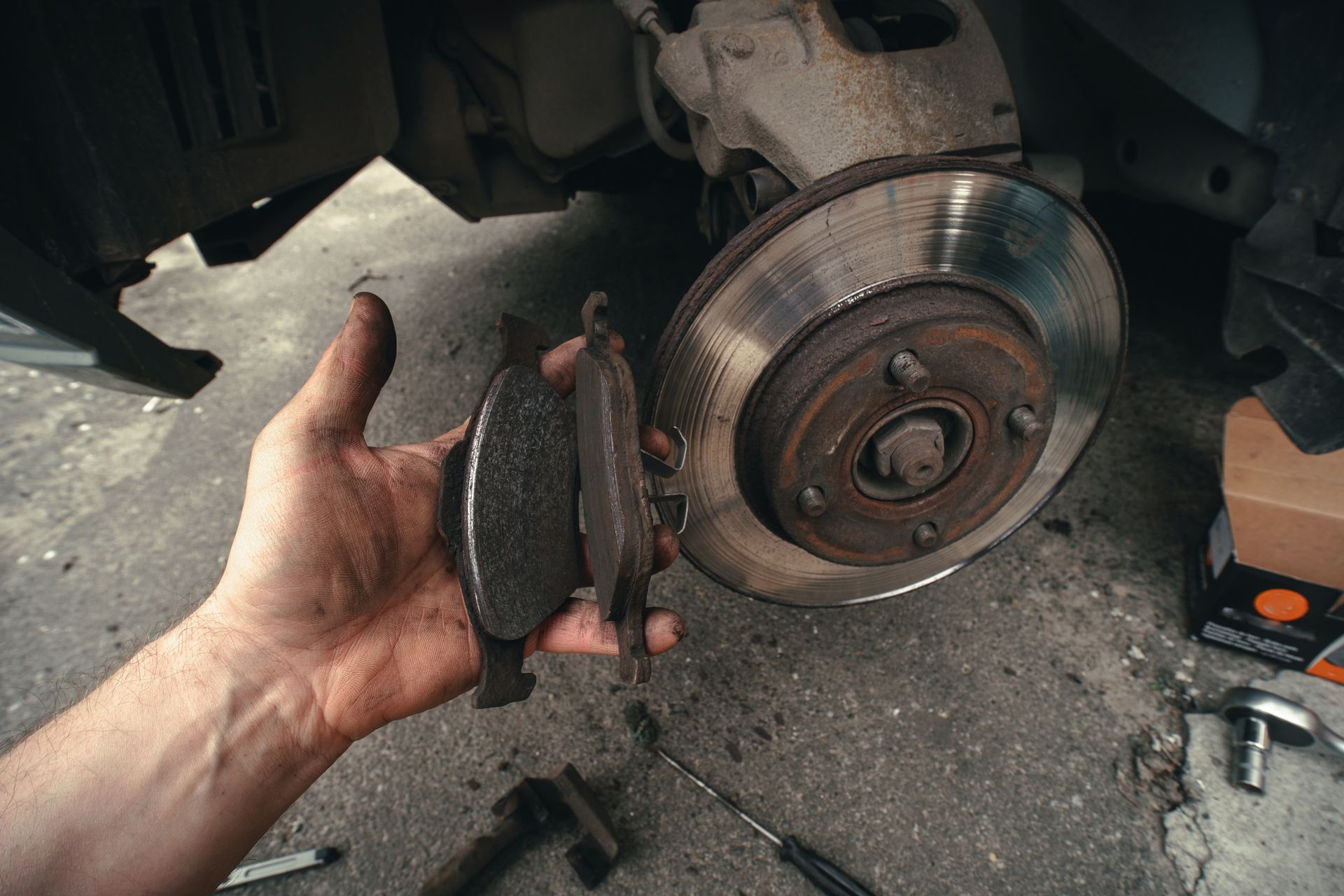
This can show up as longer stopping distances, especially from higher speeds, or a brake pedal that feels like it needs more effort. It can also show up as increased heat in the system, which can accelerate pad wear and increase the risk of rotor warping if the brakes are pushed hard repeatedly.
If you drive in stop-and-go traffic, haul loads, or drive in hilly areas, you may notice the difference sooner.
Low-Profile Tires Change Impact And Brake Feel
When you move to larger wheels, tires usually have shorter sidewalls. A shorter sidewall flexes less, which can make steering feel sharper, but it also transfers more impact into the suspension and wheel assembly.
Those impacts can contribute to vibration if a rim gets bent or a tire develops a sidewall bubble. Vibration is not only annoying, it can also accelerate wear on suspension joints and brake components over time.
This is where an inspection matters. A vibration that seems like a tire balance issue can sometimes be a bent wheel or damaged tire, and catching it early can prevent uneven wear and brake pulsation later.
Alignment Is More Critical With Oversized Setups
Wider tires often react more dramatically to small alignment issues. A slight toe problem that might not have been noticeable in a factory setup can quickly scrub the edges of a wider tire.
If the wheel offset changes, the alignment may also shift slightly, even if nothing is technically broken.
Drivers sometimes blame the tire brand when the real issue is alignment or worn suspension parts that were already borderline. With oversized wheels, the borderline becomes obvious faster.
This is why checking alignment after installing oversized wheels is not optional if you want the tires and suspension to last.
How To Upsize Without Beating Up The Vehicle
If you want the look, the safest move is choosing a setup that stays close to the vehicle’s intended geometry. Keeping the overall tire diameter close to stock protects speedometer accuracy and helps keep braking and shifting behavior familiar.
Choosing a wheel that is not excessively heavy helps the suspension and brakes. Avoiding extreme offset reduces leverage stress on bearings and steering parts. A careful balance and fitment check helps prevent rubbing, which can damage tires and create handling surprises.
If you feel any new vibration, pull, or clunk after upsizing, treat it as useful information and get it checked before it chews through tires or stresses brake parts.
Get Brake And Suspension Inspection in West Palm Beach, FL with Military Brake & Alignment Services Inc.
We can inspect your suspension and brake condition, check alignment, and explain whether your wheel and tire setup is creating unnecessary stress, based on what we see.
Schedule a visit with
Military Brake & Alignment Services Inc. in West Palm Beach, FL, and we’ll help you keep your ride looking sharp without sacrificing braking confidence and suspension life.