A radiator cap looks too simple to cause real trouble. It is small, inexpensive compared with most cooling system parts, and it usually sits there unnoticed until someone opens the hood. In hot weather, though, that little cap can decide whether the cooling system holds pressure correctly or starts acting up in traffic.
When a radiator cap gets weak, the engine may not overheat immediately. The first signs can be messy and confusing: coolant smell after parking, a low reservoir, small leaks that appear only when the engine is hot, or a temperature gauge that climbs when the A/C is running. In West Palm Beach heat, those small changes can show up fast.
The Radiator Cap Is More Than A Lid
The radiator cap is designed to seal the cooling system and maintain a specific pressure. That pressure raises the boiling point of the coolant, helping the system manage heat without boiling over during normal driving.
A good cap also controls coolant movement between the radiator and overflow reservoir. As coolant heats up and expands, pressure pushes excess coolant into the reservoir. As the engine cools down, the cap allows coolant to return to the radiator.
When the cap cannot seal, hold pressure, or allow proper return flow, the system can lose coolant or pull in air. Both can cause temperature problems that appear to be a bad radiator, thermostat, hose, or water pump.
Why Pressure Matters More In Hot Weather
Hot weather gives the cooling system less room for error. The engine already produces heat, and summer driving adds more stress with high outside temperatures, slow traffic, and constant A/C use. The cooling fans and radiator have to work harder when there is less cool air passing through the front of the vehicle.
Pressure is what helps the coolant stay liquid instead of boiling. If the cap is rated to hold pressure but no longer can, coolant may boil sooner. Once boiling starts, steam pockets can form, and steam does not carry heat away from the engine as liquid coolant does.
A weak cap may also let coolant escape into the overflow reservoir too early. The driver may see coolant pushed out, smell coolant after a drive, or notice the reservoir level rising and falling in unusual ways.
What A Weak Radiator Cap Can Cause
A radiator cap that stops holding pressure can create several problems. Some happen right away, while others build slowly.
- Coolant can escape from the system when pressure exceeds a weak seal's limit. Even a small coolant loss can lead to overheating if the level drops far enough.
- Air can enter the cooling system as the engine cools down. Air pockets can interfere with coolant flow and create hot spots inside the engine.
- Coolant can boil at a lower temperature because the system is no longer holding the pressure it was designed to hold.
- The overflow reservoir can act strangely, with coolant rising, spilling, or failing to return to the radiator after the engine cools.
- Existing weak spots can start leaking because pressure is no longer controlled correctly through the cap and reservoir path.
These symptoms are easy to misread. The cap may be the cause, or it may be one weak link in a cooling system with other problems.
Symptoms Drivers May Notice
A bad radiator cap does not always make the same complaint twice. One day the temperature gauge looks normal. The next day, it creeps upward in traffic or after a longer drive.
Coolant smell after parking is one common clue. Another is a reservoir that keeps needing coolant, even when there is no obvious puddle. You may also see crusty dried coolant around the radiator neck, cap seal, reservoir hose, or nearby plastic parts.
Some vehicles will run hotter only at idle or in traffic. Others may cool down once moving because airflow through the radiator improves. If the A/C is on, the temperature issue may become more noticeable because the engine bay is dealing with extra heat load.
Why The Cap Should Not Be Blamed Too Quickly
Radiator caps fail, but they are not the only cooling system part that can cause pressure trouble. A stuck thermostat, weak water pump, clogged radiator, bad cooling fan, leaking hose, cracked reservoir, head gasket issue, or air trapped in the system can all cause overheating or coolant loss.
That is why an inspection should check the system instead of only replacing the cap and hoping the problem disappears. If the cap failed because the seal is old, that is one repair. If the system is over-pressurizing due to another issue, a new cap may only mask the symptom for a short time.
The cap is small, but the cooling system is not. Testing keeps the repair from turning into a parts swap.
How Technicians Check Cooling System Pressure
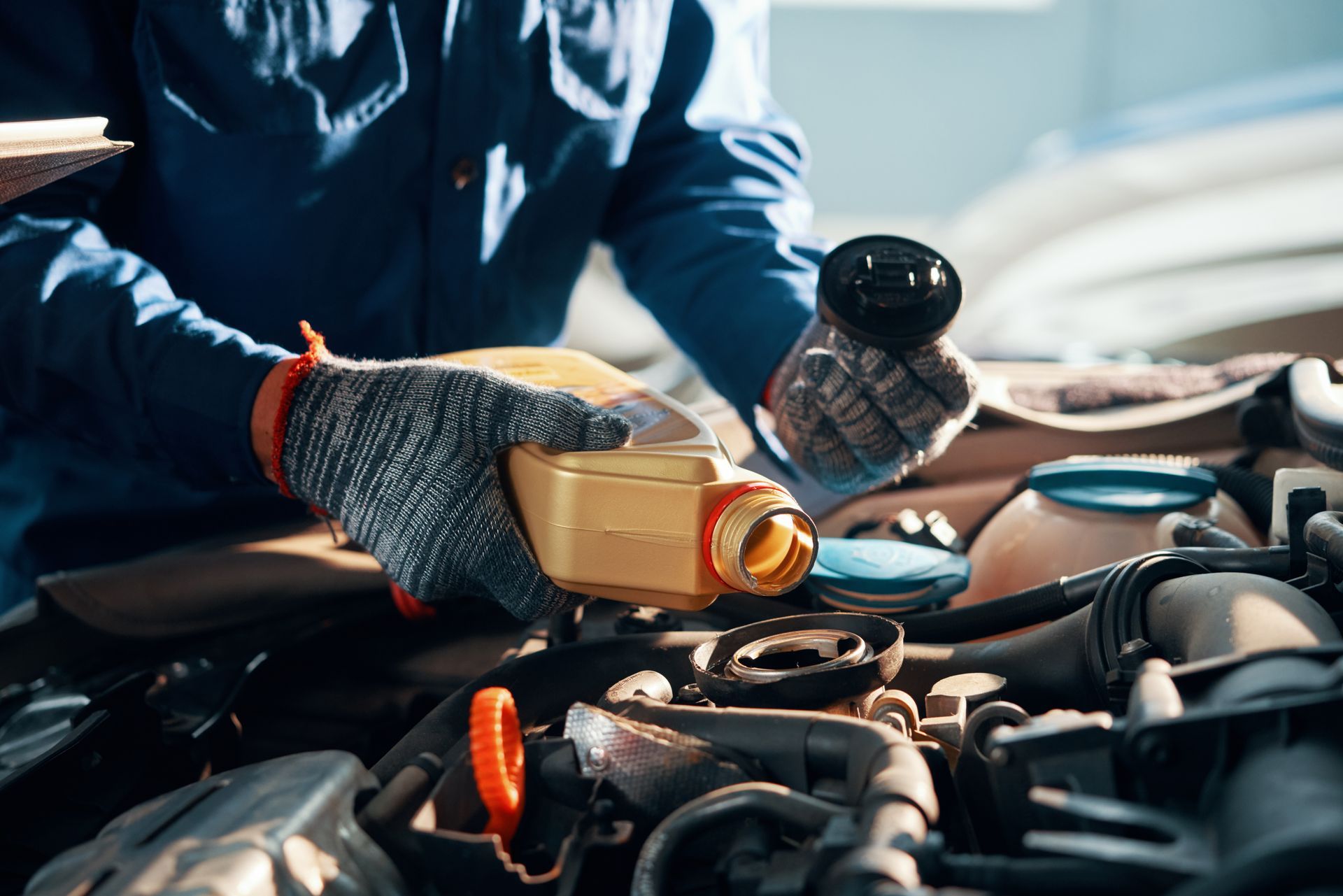
A cooling system check usually starts with the basics: coolant level, coolant condition, visible leaks, hose condition, fan operation, thermostat behavior, and signs of dried coolant.
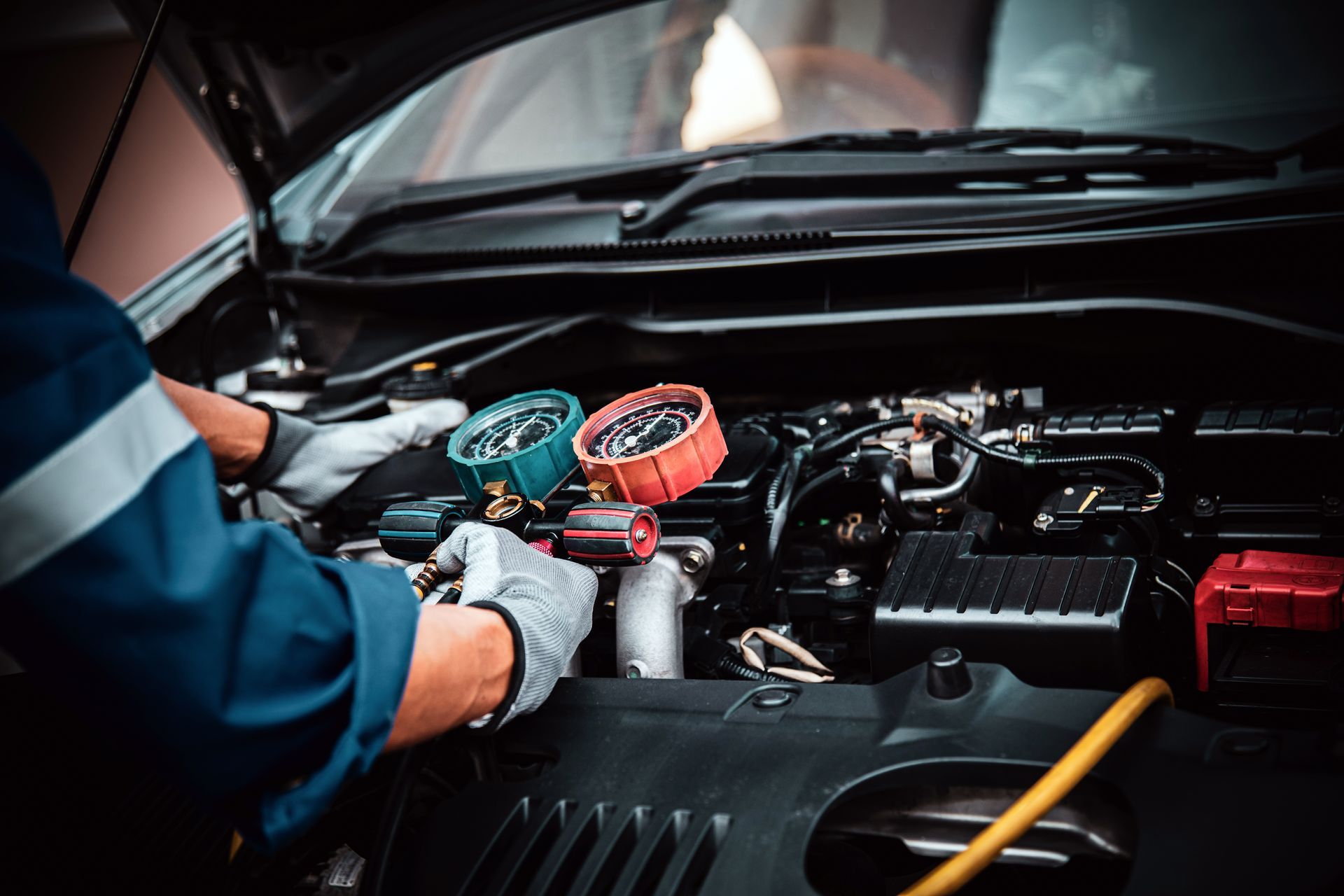
The radiator cap can be pressure-tested to verify it meets the correct rating.
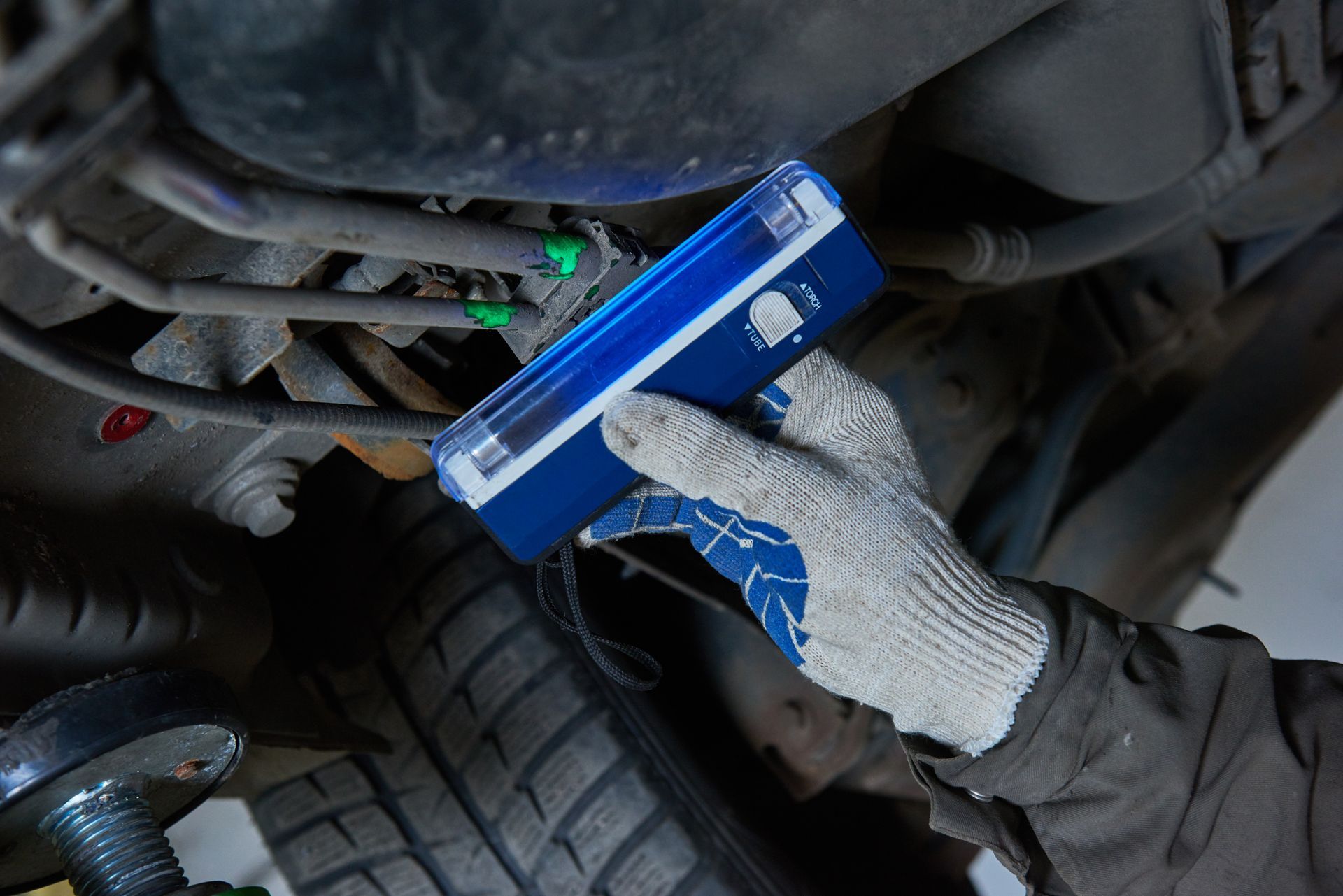
The system itself may also be pressure-tested. That helps find leaks that only appear when the engine is hot and pressurized. Some leaks are too small to drip onto the ground, but they leave stains, crust, or a sweet smell after driving.
Regular maintenance helps catch old caps, weak hoses, dirty coolant, and small leaks before hot weather makes them worse. A cap replacement is simple when confirmed early. Overheating an engine is not.
Get Cooling System Service In West Palm Beach, FL, With Military Brake & Alignment Services Inc.
If your vehicle smells like coolant, runs hot in traffic, loses coolant, pushes fluid into the overflow reservoir, or overheats during hot weather,
Military Brake & Alignment Services Inc. in West Palm Beach, FL, can check the radiator cap and the rest of the cooling system.
For cooling system service before a small pressure problem becomes an overheating repair,
contact us to schedule an appointment.
Common Questions Customers Ask About Radiator Cap Problems