Taking a pet on a road trip requires more preparation than placing a blanket on the back seat and packing extra food. Animals can become anxious, overheated, motion sick, or injured when they are not secured correctly. Their movement can also distract the driver at the worst possible moment.
A safer trip begins with the right restraint, a comfortable cabin, planned stops, and supplies that remain easy to reach. These ten steps help protect pets, passengers, and the vehicle throughout the drive.
Secure Your Pet Before The Vehicle Moves
1. Use an appropriate carrier or restraint.
A loose pet can be thrown forward during hard braking or a collision. It can also climb into the driver’s lap, block the mirrors, interfere with the pedals, or jump through an open door at a stop.
Cats and smaller dogs generally travel best in a secured carrier. Larger dogs may use a properly fitted vehicle harness designed for travel. Attach restraints only to approved anchor points and follow the product instructions. A walking collar is not designed to manage collision forces.
2. Keep pets out of the front seat.
Front airbags deploy with considerable force and can injure an animal sitting on the passenger seat or riding in someone’s lap. The rear seating area is generally the better location when the carrier or restraint can be installed securely.
Do not place an animal in the open bed of a pickup truck. Even a tethered pet can be injured by road debris, heat, sudden braking, or a fall from the vehicle.
Prepare Your Pet For The Trip
3. Practice with shorter drives first.
A pet that rarely rides in a vehicle may become frightened during a long trip. Begin with brief drives and gradually increase the distance. This allows the animal to become familiar with engine noise, movement, restraints, and entering or leaving the car.
Watch for heavy drooling, repeated whining, vomiting, trembling, or attempts to escape the restraint. A veterinarian can provide guidance when motion sickness or severe anxiety makes travel difficult. Do not give human medication to a pet unless a veterinarian has specifically approved it.
4. Avoid a large meal immediately before leaving.
A full stomach can increase the chance of nausea, especially on winding roads. Feed the pet early enough for digestion to begin before departure, then provide smaller portions according to its usual schedule.
Water should remain available during planned stops. Do not allow a pet to drink from roadside puddles or unfamiliar outdoor containers, which may contain chemicals, bacteria, or contaminated runoff.
Pack Supplies Where You Can Reach Them
5. Build a dedicated pet travel kit.
Keep essential supplies together instead of spreading them throughout the luggage area. The kit should be accessible without unloading the entire vehicle.
Include items such as:
- Water and a travel bowl
- Food and treats
- Leash and backup leash
- Waste bags
- Cleaning towels
- Medications
- Basic first-aid supplies
- Vaccination and veterinary information
- Current photograph of the pet
- Familiar blanket or toy
Carry more food and medication than the planned trip requires in case weather, traffic, or vehicle trouble delays your return.
6. Update identification before departure.
A collar tag should display a current phone number. Microchip registration information also needs to be accurate so a shelter or veterinary office can reach the correct owner.
Take recent photographs showing the pet’s face, body, color, and distinctive markings. If the animal becomes lost, clear images are more useful than an older picture that no longer reflects its appearance.
Control Temperature And Ventilation
7. Keep the cabin at a safe temperature.
Pets can overheat rapidly inside a parked vehicle. Cracking the windows does not provide reliable protection when sunlight and outdoor heat raise the cabin temperature. Never leave a pet unattended while you eat, shop, refuel, or complete another stop.
Confirm that the air conditioning works before traveling in warm weather. Carriers should receive adequate airflow and should not be buried beneath luggage. In cold weather, keep animals away from direct drafts while maintaining fresh cabin air.
8. Do not let pets ride with their heads outside.
Many dogs enjoy putting their heads through an open window, but the practice exposes their eyes, ears, and face to dust, insects, stones, and road debris. A sudden stop can also cause the animal to strike the window frame or fall against the restraint.
Open windows only far enough to provide ventilation without allowing the pet to climb through. Activate the rear window lock when an animal could accidentally press the switch.
Plan Stops And Protect The Driver
9. Schedule regular breaks.
Plan a safe stop every few hours so pets can drink, relieve themselves, and move around. Keep the leash attached before opening any door, even when the animal is usually obedient. Unfamiliar traffic, noises, or surroundings can trigger an unexpected escape.
Use designated rest areas or quiet parking areas away from moving vehicles. Check the pavement before allowing a pet to walk because asphalt can become hot enough to injure paw pads.
10. Prevent pet-related distractions.
Do not feed, hold, photograph, or adjust a pet’s restraint while driving. Pull into a safe parking area before addressing barking, illness, spilled water, or a loose carrier.
Passengers can monitor the pet, but they should avoid releasing it inside the moving vehicle. A nervous animal may move toward the driver or attempt to hide near the pedals. Keeping the pet secured protects everyone in the cabin.
Prepare The Vehicle Before Traveling
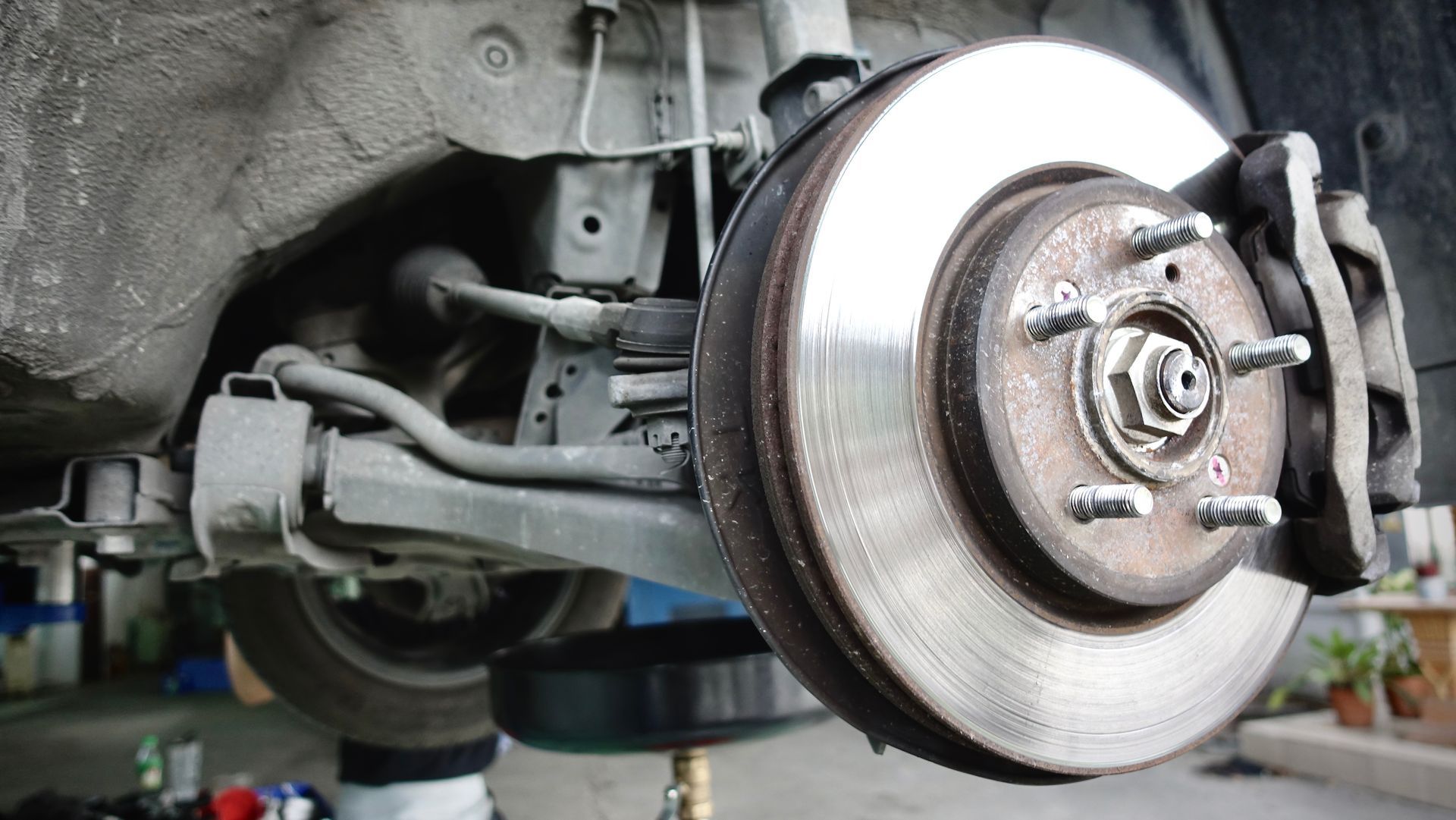
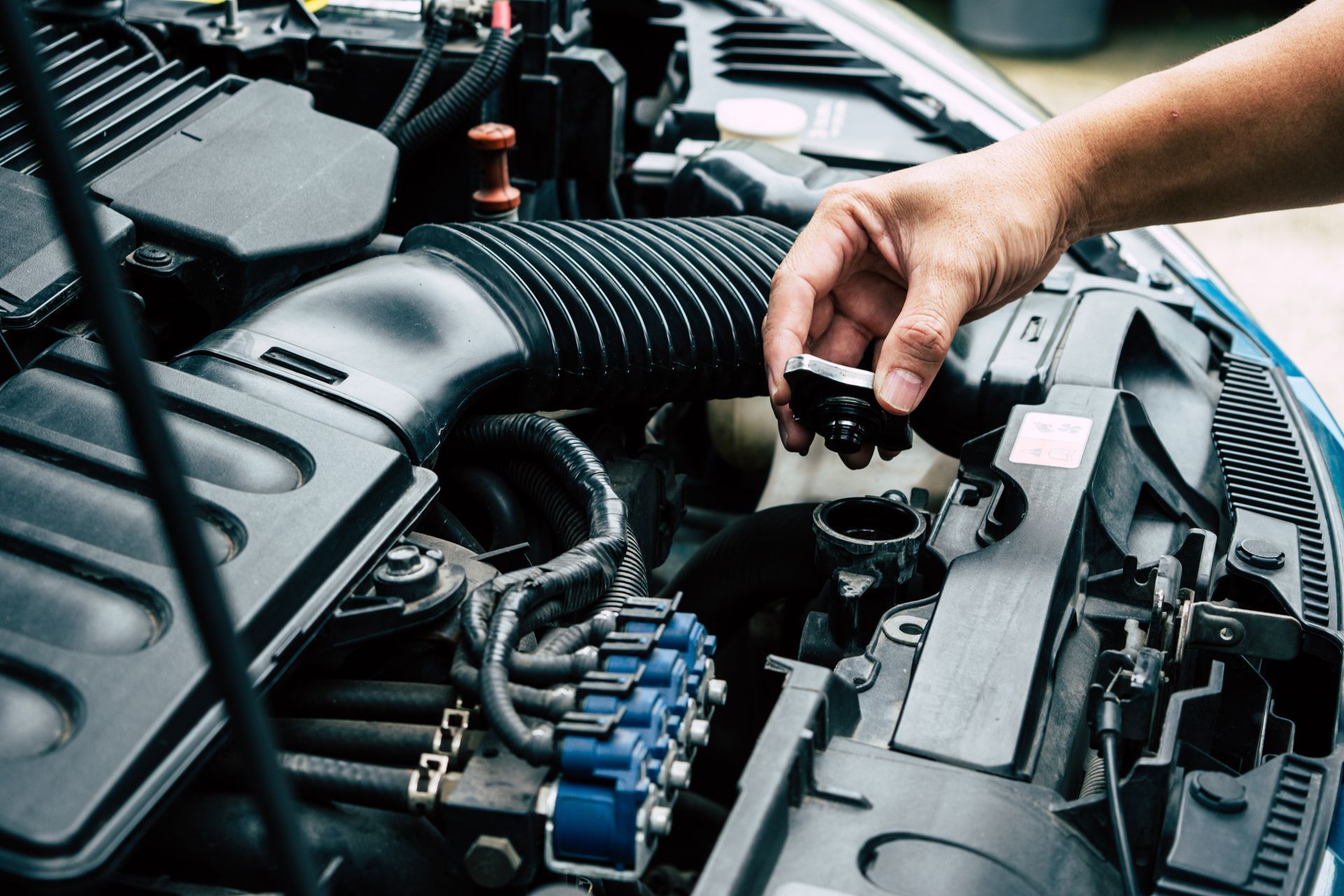
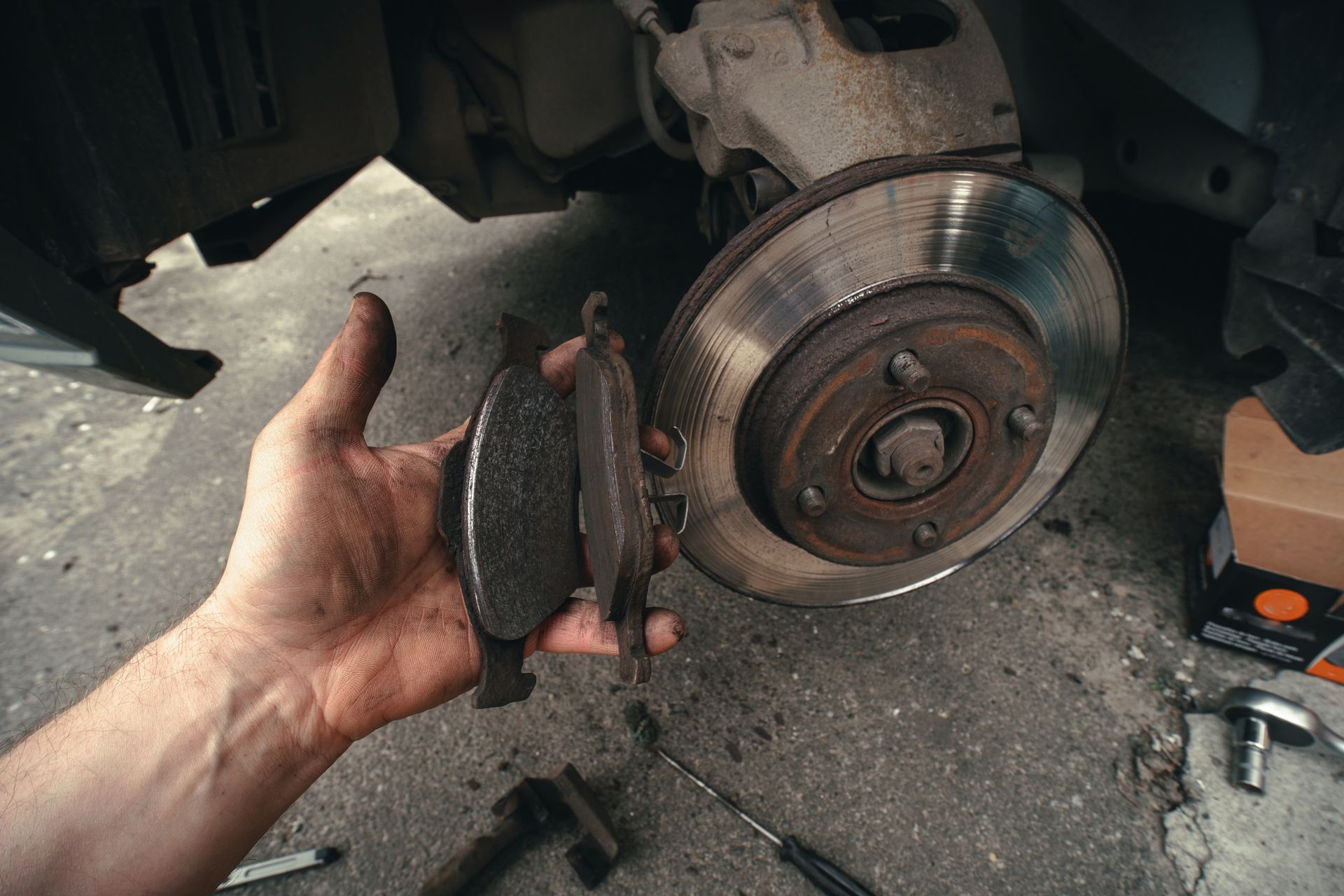
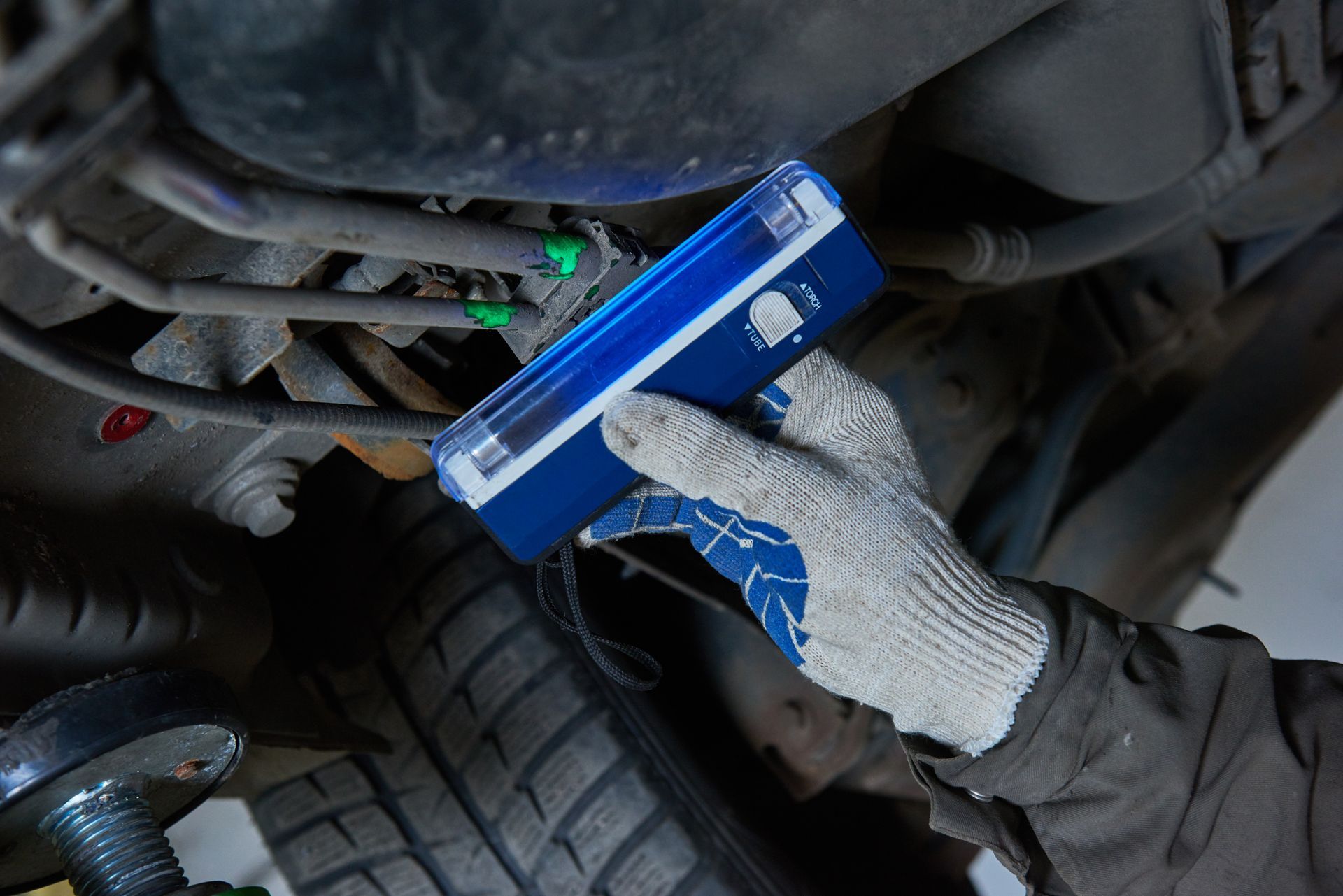
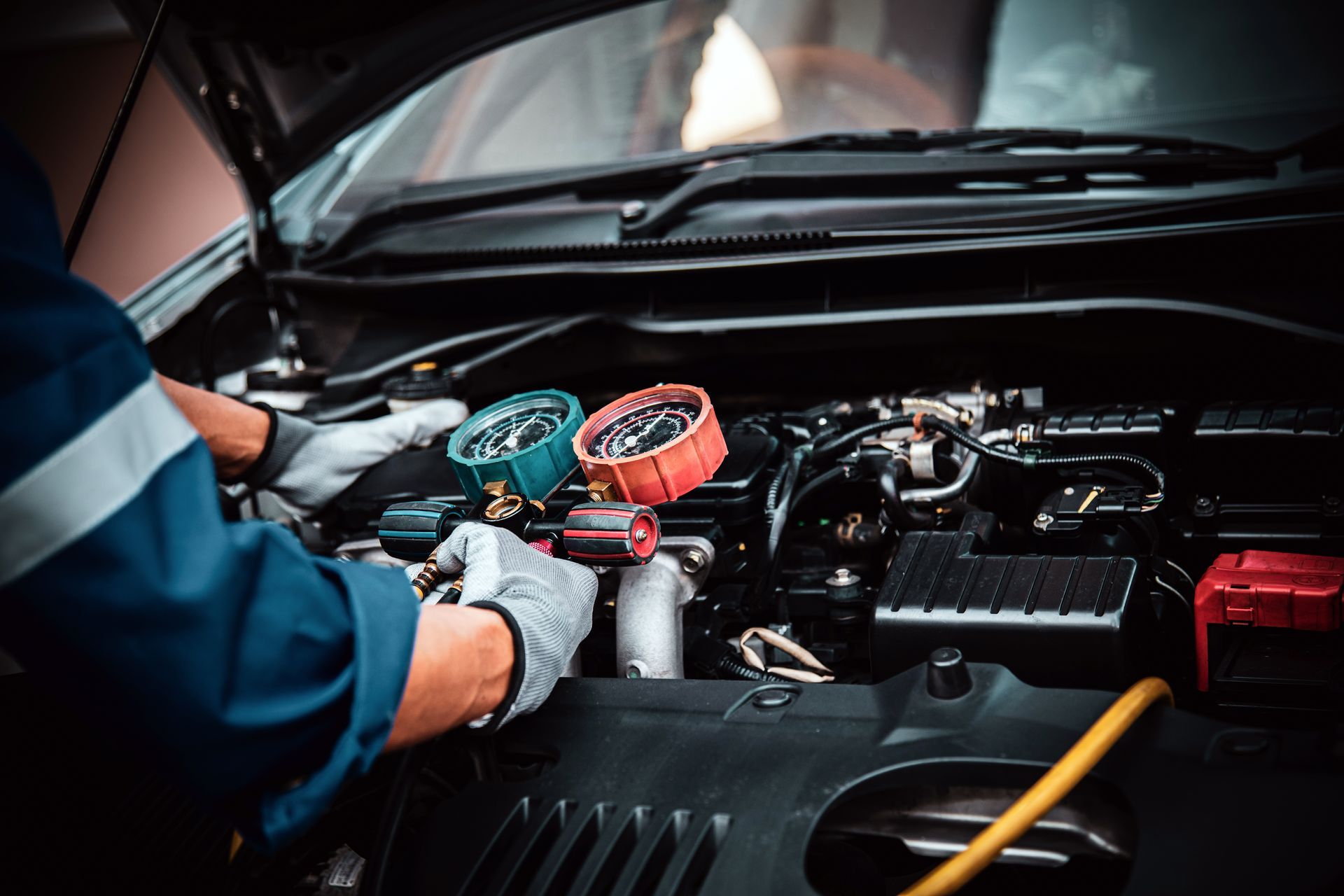
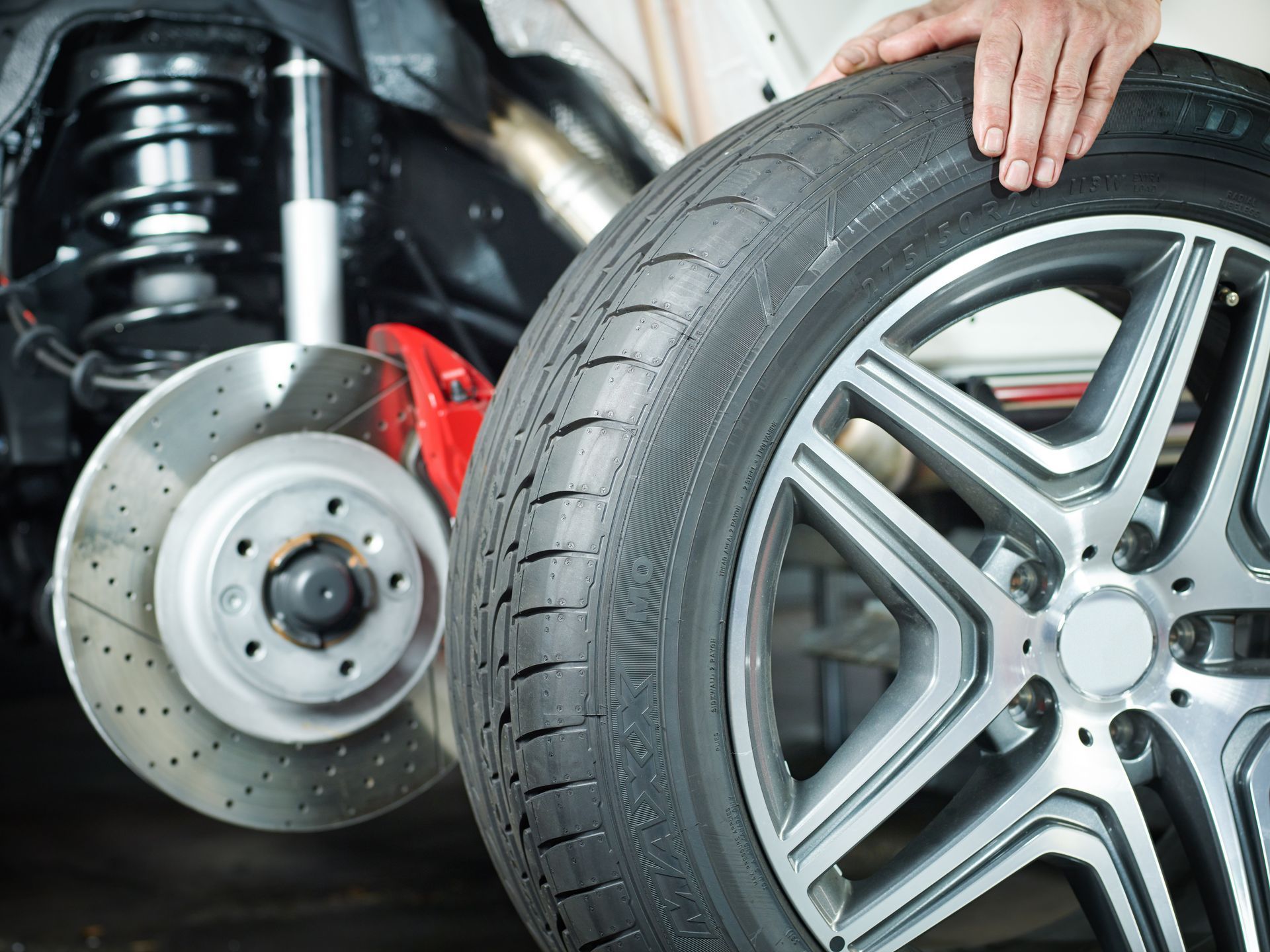
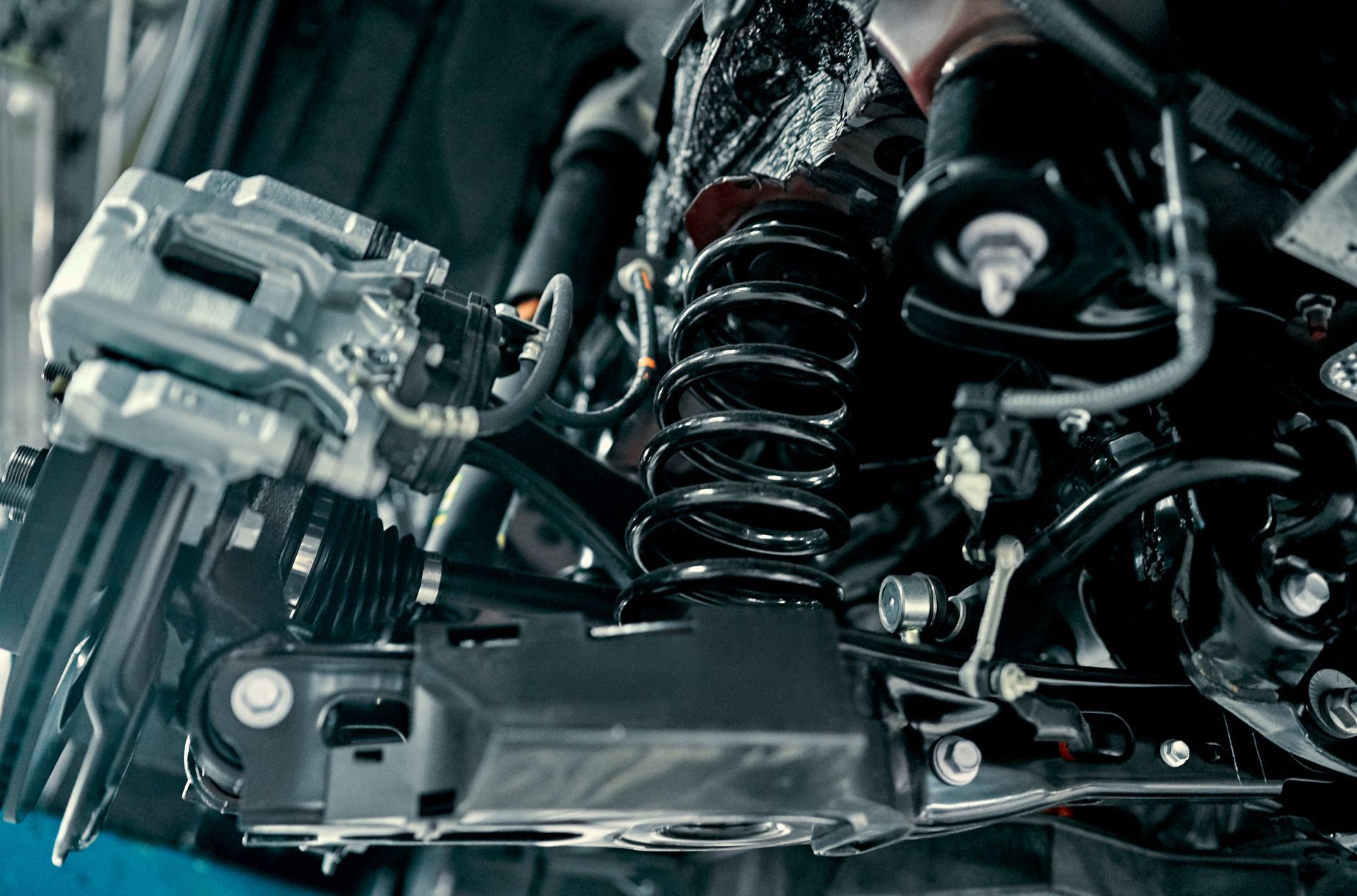
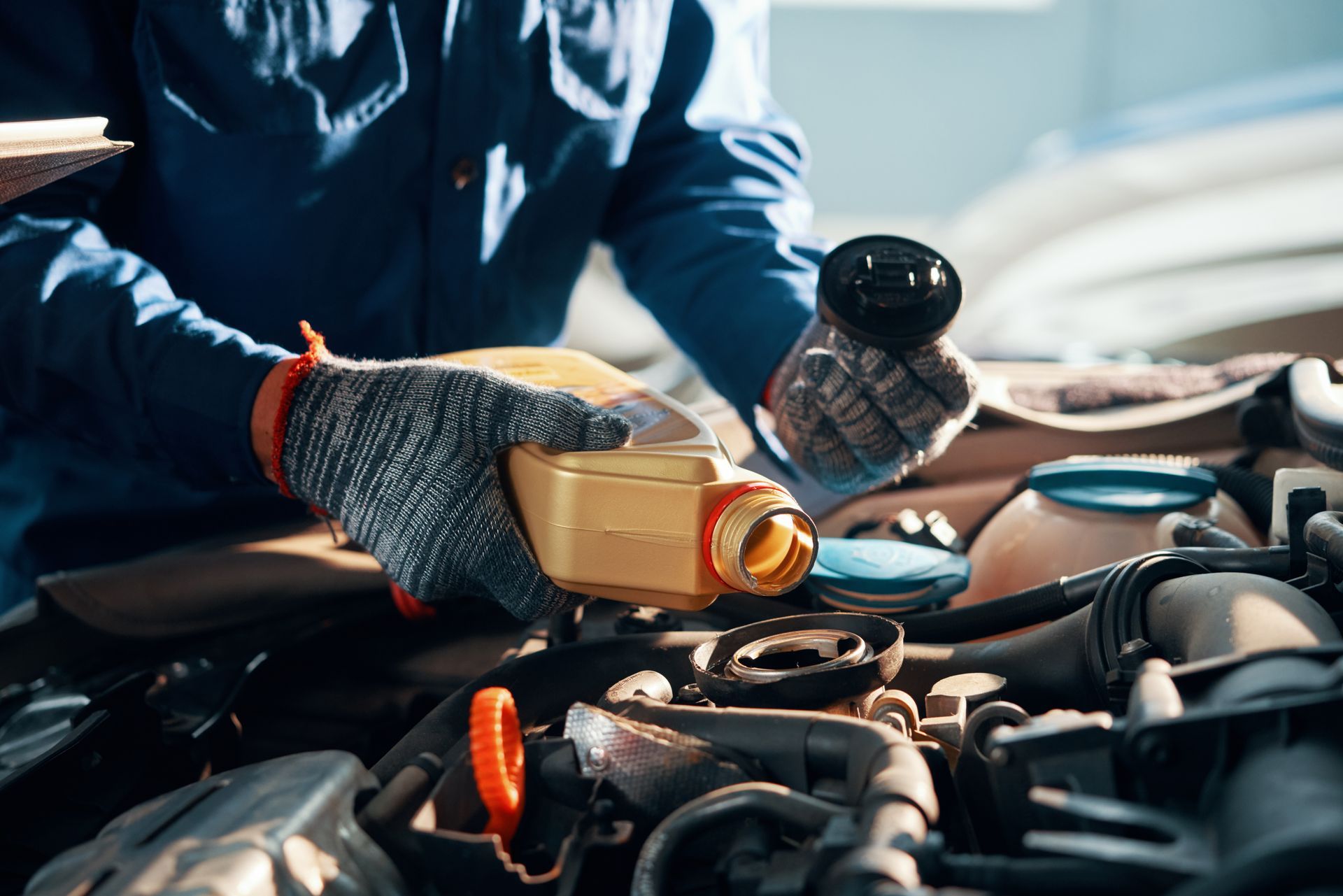
Road trip planning should also include regular maintenance. Check the tires, brakes, battery, fluids, exterior lights, cooling system, wipers, and air conditioning before departure. A roadside breakdown becomes more difficult when an animal must remain safely contained near traffic.
Schedule an inspection early enough to complete necessary repairs before the travel date. Confirm that cargo is secured so bags, crates, tools, or coolers cannot shift into the pet’s area during braking or cornering.
Get Road Trip Vehicle Service In West Palm Beach, FL, With Military Brake & Alignment Services Inc.
Military Brake & Alignment Services Inc. in West Palm Beach, FL, can check your brakes, tires, alignment, battery, fluids, cooling system, and air conditioning before a trip with your pets.
Contact us to schedule road trip service and prepare your vehicle for safer, more comfortable travel.